Recycling and Sustainability in Landscaping Plumstead
 At Landscaping Plumstead, sustainability is built into the way we plan, carry out, and complete every project. From the first site visit to the final tidy-up, our approach to landscaping in Plumstead is designed to reduce waste, protect local habitats, and keep reusable materials in circulation for as long as possible. We work with a clear recycling percentage target of 85% across suitable project waste streams, helping ensure that soil, green waste, wood, metal, cardboard, plastics, and inert materials are diverted from landfill wherever practical. This target reflects our commitment to a greener method of garden improvement and outdoor maintenance, while also supporting the wider environmental ambitions of local communities.
One of the most important parts of our recycling strategy is careful sorting at source. For projects in and around Plumstead, we separate materials into practical categories before they leave site, which makes it easier for local transfer stations to process them efficiently. In boroughs where waste separation is a key part of everyday recycling policy, this extra effort helps align landscaping operations with local expectations around mixed dry recycling, green waste collection, and responsible handling of bulky materials. By keeping clean wood distinct from treated timber, and soil separate from rubble, we improve recycling outcomes and reduce contamination.
Our team also makes use of nearby local transfer stations to shorten journeys and improve the environmental performance of each job. Using transfer stations close to the work area reduces unnecessary mileage, supports quicker sorting, and helps ensure that recyclable loads are directed to the correct facilities. For Plumstead landscaping projects, this means less transport waste and a cleaner workflow overall. Where possible, we favour facilities that recover aggregates, screen topsoil, and process green waste into useful products such as compost or soil improvers.
Responsible Waste Handling for Garden and Grounds Work
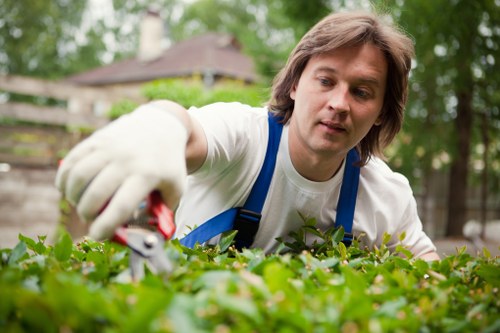
We apply the same sustainability mindset to every part of the service, whether it is hedge work, turf removal, planting, clearance, or hard landscaping. Our Plumstead landscaping approach includes reusing suitable materials on site, such as sound paving pieces, edging, bricks, timber offcuts, and clean topsoil. This not only lowers disposal volumes but also reduces the need to source new materials unnecessarily. In practical terms, that means more efficient projects and a lighter environmental footprint.
 For green waste, we prioritise composting and mulching routes wherever possible. Branches, leaves, grass cuttings, and soft garden debris are kept separate so they can be processed into useful recycled outputs rather than mixed with general waste. This is especially relevant in urban and suburban areas where borough waste systems often emphasise source separation for garden waste, food waste, paper, and dry recyclables. By mirroring that approach on our jobs, Landscaping Plumstead helps maintain a cleaner stream of recyclable materials and supports the broader circular economy.
We also pay close attention to packaging and supply waste. Cardboard, shrink wrap, pallets, and plastic containers are sorted and sent to appropriate recycling channels. In addition, we try to order materials in efficient quantities so that over-purchasing and surplus waste are kept to a minimum. These measures are simple, but when combined across multiple projects they make a meaningful difference to the sustainability profile of landscaping Plumstead services.
Partnerships, Reuse, and Community Benefit
 Sustainability is not only about recycling; it is also about giving materials a second life. That is why we support partnerships with charities and community organisations that can make use of suitable surplus items. Usable plants, pots, timber pieces, ornaments, and functional garden materials may be redirected where appropriate to charity-led projects, community gardens, or reuse schemes. By extending the life of these items, Landscaping Plumstead reduces waste and contributes to local good causes at the same time.
We are particularly careful to identify items that are safe and practical to reuse. For example, healthy shrubs removed during a redesign may be transplanted or donated, while durable timber offcuts may be shared for habitat-building or community crafts. These reuse efforts help support neighbourhood initiatives and align with the growing expectation that Plumstead landscaping should be both attractive and environmentally responsible. Whenever items cannot be reused directly, we look for the most sustainable recycling route available.
Our recycling efforts also recognise the value of materials recovered from construction and landscaping work. Stone, brick, and hardcore can often be processed into secondary aggregates, while clean soil can be screened and reused in future projects. This approach reduces demand for virgin materials and supports the wider recycling infrastructure used across the boroughs. By integrating these practices into everyday operations, we maintain a consistent focus on environmental responsibility from start to finish.
Low-Carbon Transport and Cleaner Operations
 Transport is a major part of any landscaping service, so our commitment to sustainability includes the vehicles we use. Landscaping Plumstead is actively moving toward a fleet of low-carbon vans designed to cut emissions, improve fuel efficiency, and reduce the environmental impact of site visits and material deliveries. These vans are selected for their lower running emissions and practical suitability for urban roads, helping us carry tools and materials without excessive fuel use.
Where possible, route planning is used to reduce unnecessary journeys, combine deliveries, and make collections more efficient. This is especially valuable in busy neighbourhoods where traffic, restricted access, and multiple short trips can raise emissions quickly. By choosing smarter logistics, our landscaping in Plumstead operations become cleaner and more efficient. We also encourage careful loading and efficient scheduling, so each trip carries the maximum useful payload and avoids repeat travel.
In addition to lower-emission transport, we keep equipment maintenance high and regularly review operational habits that affect fuel use. Small changes such as avoiding idling, using the right vehicle for the job, and coordinating waste removals carefully all contribute to a more sustainable service. These measures support our wider goal of keeping the carbon footprint of Plumstead landscaping as low as possible without compromising quality or reliability.
A Practical, Local Approach to Sustainability
 The future of Landscaping Plumstead is rooted in practical action: less waste, more reuse, and better environmental choices across every stage of work. By maintaining an ambitious recycling percentage target, using local transfer stations efficiently, supporting charities through material partnerships, and operating low-carbon vans, we create a more responsible model for outdoor care. This balanced approach helps our projects fit naturally with borough-level recycling systems and the everyday expectations of residents who value cleaner streets, better waste separation, and greener services.
We believe that sustainable landscaping should be visible in the finished garden, but also in the hidden choices behind the scenes. From sorted waste loads and compostable green waste to reused materials and efficient transport, each decision adds up. That is why Landscaping Plumstead continues to place recycling and sustainability at the centre of its work, supporting healthier landscapes and a cleaner local environment for the long term.