Health and Safety Policy for Landscaping Plumstead
 Health and safety is a core part of every landscaping project. This policy sets out the standards expected when carrying out landscaping work in Plumstead, including site preparation, planting, hard landscaping, turf care, maintenance, and the use of tools and equipment. The aim is to protect workers, clients, visitors, and members of the public from avoidable harm while keeping all work well organised and professionally managed.
Landscaping activities can involve manual handling, sharp tools, moving machinery, soil movement, uneven ground, and changing weather conditions. Because of this, all work must be planned with risk in mind. A proactive safety-first approach helps reduce incidents, supports quality workmanship, and creates a safer environment on every site. This policy applies to all staff, contractors, and anyone else involved in the delivery of landscaping services.
 We are committed to maintaining a safe workplace by identifying hazards early and controlling them effectively. Every job should begin with a review of the site, tasks involved, and any foreseeable risks. Special attention must be given to access routes, slippery surfaces, overhead obstacles, buried services, plant movement, and the interaction between people and equipment.
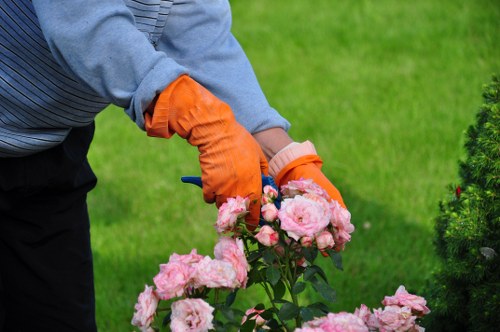
All workers must follow safe working practices at all times. Personal protective equipment must be worn where required, including gloves, eye protection, high-visibility clothing, safety footwear, hearing protection, and dust masks when appropriate. PPE is not a substitute for safe systems of work, but it remains an important layer of protection when carrying out landscaping tasks.
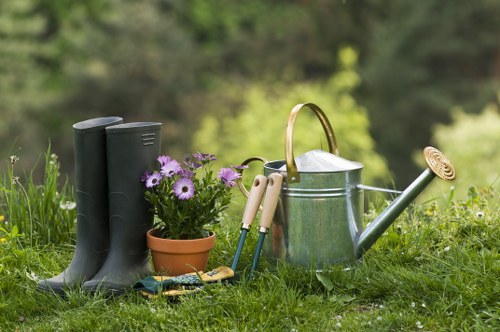
Tools and machinery must be inspected before use and kept in a safe condition. Defective equipment must be removed from service immediately and reported. Only trained and authorised persons may operate machinery, use powered cutting tools, or handle equipment that presents increased risk. Regular maintenance reduces breakdowns and helps prevent accidents caused by faulty or poorly adjusted equipment.
The safe handling of materials is also essential. Soil, paving slabs, aggregates, timber, and plants can all create lifting hazards if not managed properly. Loads should be broken down where possible, lifted with correct technique, and moved using suitable aids when needed. Team members should avoid unnecessary strain and ask for assistance with awkward or heavy items.
 Manual work in landscaping often takes place on uneven or unstable ground, so workers must remain alert to slips, trips, and falls. Surfaces should be kept as clear as practical, with hoses, tools, waste, and loose materials stored in an orderly way. Where conditions are muddy, icy, or wet, extra care must be taken to prevent loss of footing or vehicle skidding.
Traffic management is another key part of this policy. When vehicles, trailers, or machinery are operating nearby, safe separation between pedestrians and moving equipment must be maintained. Reversing should be kept to a minimum, and a banksman or guide should be used where visibility is restricted. Clear communication is vital to avoid misunderstandings and keep the site controlled.
Environmental conditions can affect safety throughout the year. Hot weather may increase the risk of dehydration and fatigue, while cold conditions can reduce dexterity and concentration. Work schedules should allow for suitable breaks, hydration, and rest. During periods of strong wind, heavy rain, or storms, tasks should be reviewed and paused where conditions become unsafe.
Risk assessments are required for all significant activities, and method statements should be used where higher-risk tasks are being carried out. These documents help ensure that hazards are considered before work starts and that control measures are clear to everyone involved. They should be reviewed whenever work conditions, equipment, or site arrangements change.
First aid arrangements must be proportionate to the nature of the work. Suitable supplies should be available, and workers should know how to respond to cuts, eye injuries, sprains, heat stress, and other common landscaping incidents. Serious injuries must be escalated immediately and emergency procedures followed without delay.
Training and supervision are central to safe landscaping operations. New workers should receive induction information before beginning work, and ongoing supervision should be provided where tasks are unfamiliar or hazardous. Skills should be refreshed regularly so that safe habits remain consistent and staff understand the correct use of tools, machinery, and protective equipment.
We also expect everyone to take responsibility for reporting hazards, near misses, and unsafe behaviour. Early reporting makes it possible to correct problems before they lead to injury or damage. A culture of openness supports continuous improvement and helps keep standards high across all landscaping tasks.
Waste should be managed carefully to avoid creating hazards. Offcuts, packaging, sharp debris, and surplus materials must be removed or stored safely. Waste disposal areas should be tidy and access routes kept unobstructed. Good housekeeping not only improves safety but also helps work progress efficiently and reduces the chance of accidents.
 When working with plants, chemicals, or soil treatments, the correct handling instructions must be followed. Containers should be labelled, stored securely, and used only as intended. Exposure should be minimised, and any product-specific precautions must be followed closely. If a substance presents a risk, the necessary control measures should be put in place before use.
Safeguarding the public is equally important. Landscaping activities often take place in visible, accessible settings where children, pedestrians, or neighbours may be nearby. Barriers, signage, and clear work boundaries should be used where needed to prevent unauthorised entry into active work areas. Tools and materials must never be left in a way that creates danger to others.
Emergency preparedness is part of every safe operation. Workers should know the site layout, the location of welfare facilities, and how to respond if there is fire, injury, equipment failure, or another serious incident. Work should stop immediately if a situation becomes unsafe, and it should only resume when conditions have been made secure again.
 This policy is reviewed regularly to make sure it remains effective and relevant to the activities being carried out. Improvements may be made following incidents, changes in equipment, or updates to working methods. By maintaining high standards and applying consistent safety controls, landscaping work can be delivered responsibly, efficiently, and with proper care for everyone involved.